
AMH Explained: A Donor's First Step
By: Jess Gardiner
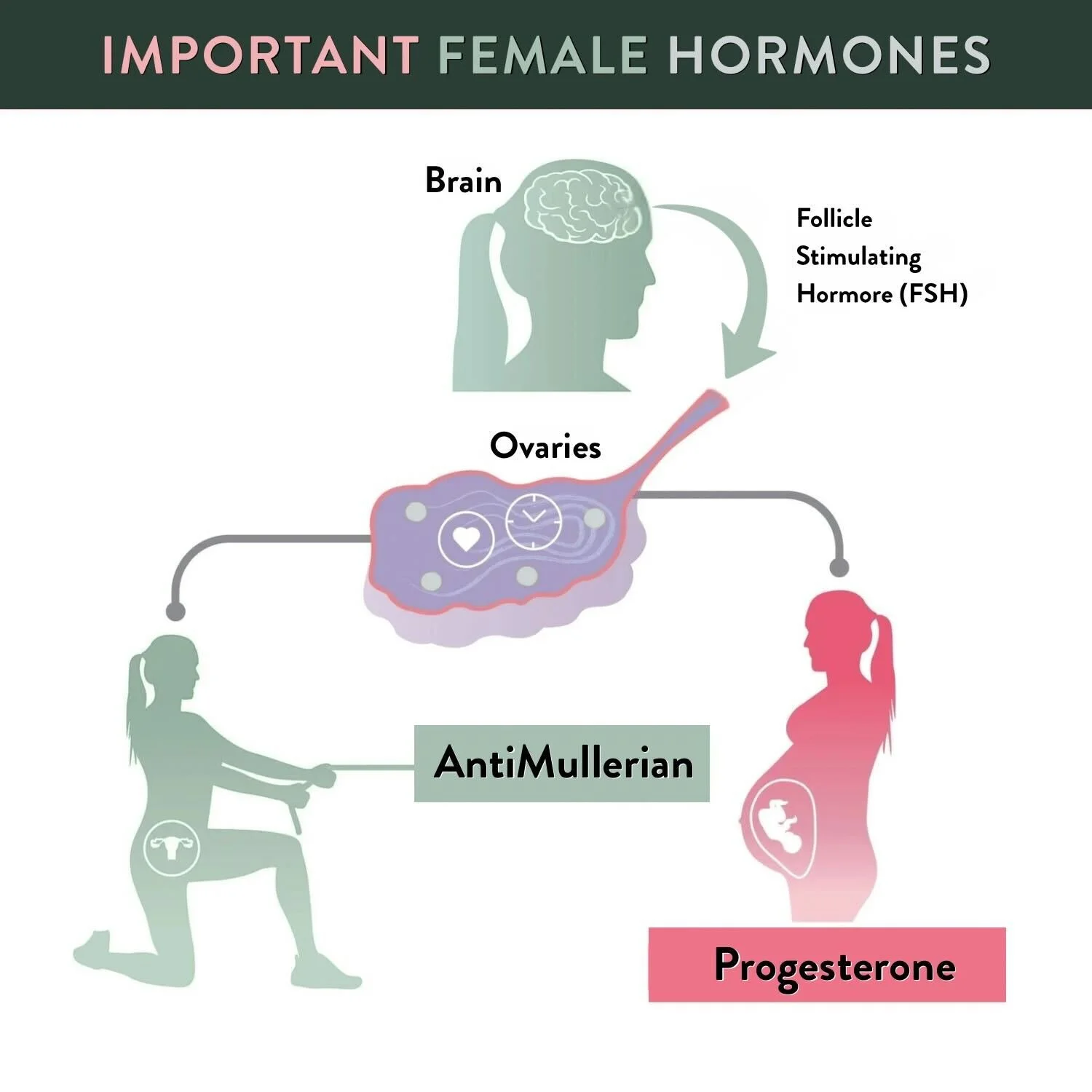
The first step to determining if you might be a candidate for egg donation is often to test your Anti-Mullerian Hormone, commonly called your ‘AMH’. AMH is produced by the follicles within a woman’s ovaries, and can indicate if her ovarian reserve is as expected for her age, or if she may be approaching menopause. This means that a high AMH is indicative of a higher ovarian reserve, and that you have plenty of follicles and eggs remaining in your ovaries. A lower AMH can mean that your ovarian reserve is dwindling, or that the woman may be starting to approach menopause when her body stops producing this fertility hormone. A low AMH does not mean zero eggs, and it does not affect the quality of the remaining eggs (however, other factors could influence egg quality, such as age, lifestyle, or genetics).

How do i get my amh tested?
You can get your AMH tested by inquiring with your family physician or your fertility doctor, and they will be able to provide a requisition to complete this test through your local laboratory. The results will then be sent to your doctor, typically within 1 to 2 weeks, and you can request these results either through your doctor or by accessing your local health records online.
AMH is tested through blood, which means you will need to undergo a blood draw to complete it. Don’t worry, though! The lab should only need a single tube for this test, so the experience should be very quick and relatively easy. If you continue onto a donation cycle, donors can anticipate a comprehensive blood draw during the treatment process, which does require a considerable number of tubes (like, a lot), so make sure to eat a healthy meal after!
IS amh testing necessary?
AMH is a standard test used in many, if not all, fertility cases, but you may not know what we are looking for in the result (and that is ok!). In your AMH result, we are looking for the number to be at least 15 to qualify as an ova donor (egg donor). The common range for AMH is 15-25. An AMH result of over 25 can indicate a high ovarian reserve (LOTS of eggs!) or can be indicative of Polyendocrine Metabolic Ovarian Syndrome (PMOS, formerly PCOS). Intended Parents will likely ask for their donor’s AMH value, which HHH does share as it is a part of our standard intake for ova (egg) donors.
AMH is the first of a list of tests that an ova donor would undergo, and is where we start to ensure that the donor is an appropriate candidate before further testing is ordered, as fertility testing can become quite expensive. If the donor has an adequate AMH, she can also anticipate a physical examination, internal ultrasound scans, and so much more blood work! Exact testing requirements are determined by the country in which you are receiving treatment.
bio
Jess Gardiner is an Egg & Embryo Donation Coordinator who is passionate about education and advocacy in the world of infertility. She shares this passion in an effort to beat the stigma surrounding infertility and make resources available to everyone, no matter where they are in their journey. Book a free consultation and learn how Jess can help guide you through the fertility frontier!