The Truth About the Washout Cycle
By: Jess Gardiner

the process doesn’t end at retrieval
You may notice when preparing for an IVF cycle that the recovery stage is not openly discussed, and it’s hard to feel prepared for what is going to happen when the hormone crash hits. Some donors have described this menses as the “period from hell”, or even the “year-iod”, because it feels like a year's worth of periods hitting you within a single week. Whatever term you use for it, whether it be Shark Week, Aunt Flo, or the red tide, you probably won’t hear it when you’re preparing for your treatment cycle, so we have asked what the after-care is really like to donors who have lived through it! The rest of this article is based on the experiences of Katie, our founder and 6x egg donor, and Emily, our embryo program manager and 4x egg donor.

how is the washout cycle different from a normal menstrual period?
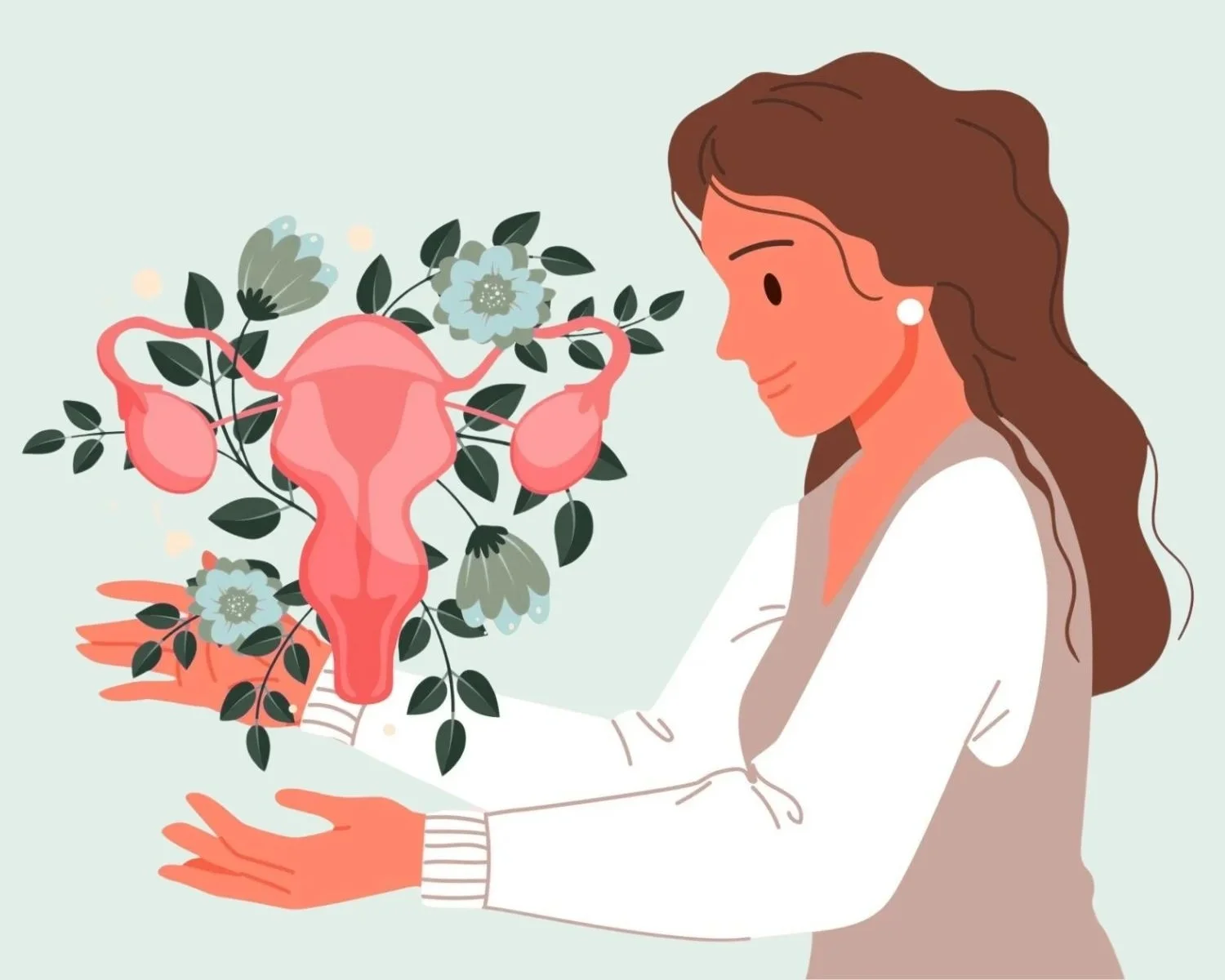
The most shocking thing about the Washout Cycle to most donors tends to be the volume of blood that is being released! Since the IVF cycle is hormonally medicated to stimulate the growth of eggs within the ovaries, the uterus and endometrial lining also responds to these medications, even though we don’t need to focus on that part of the reproductive organs. However, this means that your uterine lining is likely going to be thicker than it is during a typical menstrual period, and it will seem like an endless amount of blood and tissue. For this same reason, you may also have an increase in clumps or clots being expelled during this menses, too.
Overall, even with the increase in volume, most symptoms are pretty comparable to a typical menstrual period. Cramping can be expected, particularly if you get cramps during your normal period, but it is usually manageable by supplementing, exercising, and eating healthy.
will my period last longer than usual?
Given that the volume of blood being expelled is higher than normal, it also makes sense that the duration of bleeding is also extended by a couple of days at times. This may not be the case for each and every person, but if your typical bleed lasts 2 to 4 days, it is entirely possible (and normal!) to bleed for potentially double this amount of time.
what kind of sanitary products can i use?
Katie and Emily also had some great advice about feminine hygiene products, as it is not advised to use tampons or menstrual cups following an egg retrieval. Since there are two punctures made through the vaginal wall and into each ovary, this creates a risk for infection if a foreign device is inserted into the vagina. Fear not, though, because period underwear or even adult diapers will have you fully covered (literally and figuratively). Pads are also a go-to for the washout cycle, but you may want to consider sizing up to account for the extra flow.
was the washout cycle different with each egg retrieval?
There was also not a lot of variance between each menstrual cycle following retrievals, each washout cycle was relatively comparable. The symptoms experienced each time were fairly similar, with the biggest ‘surprise’ symptom being the increase in volume and clots being passed. Emily shared that her washout cycle consistently arrives on Day 5 following her retrieval, and that she can count on this with each donation. Her symptoms following retrieval also wash away with her uterine lining!
what helps you feel better during your washout cycle?
Those of us who experience what we refer to as “PMS” may have some extra anxiety about the washout cycle, and so we also come prepared with some self-care tips. Katie recommends that whatever you do to take care of yourself during your regular menstrual cycle, to ramp it up tenfold. Enjoy some warm beverages, get a massage, and soak in some R&R while you recover from your retrieval! Emily recommends breathing exercises and supplementing can help her get through the washout cycle, as well as her portable heating pad! Keep that thing on ya!
did your menstrual cycle in general change after donating?
While a woman’s fertility and chances of pregnancy are not diminished by an egg retrieval or donation, her menstrual cycle may still be mildly affected for a short while. Both Katie and Emily shared that their average cycle length was extended, which most women describe as a ‘late’ period. Their cycles may extend to approximately 34-35 days for three to six months or so after the procedure, but will slowly regulate back to their average 28-30 day cycles.
does the presence of an intra-uterine device (IUD) impact your washout cycle?
Another curiosity that some of us may have, specifically those of us with an IUD currently inserted, is whether the presence of the IUD will have an impact on your symptoms and/or recovery. Katie has gone through a cycle and egg retrieval with a hormonal IUD in place before, and shared that her symptoms were relatively the same as washouts without her IUD. She did note though that the volume of blood was reduced, which makes sense given that part of an IUD’s goal is to keep the endometrial lining relatively thinner, making a less hospitable environment for embryo implantation. Due to the physical interference, the lining of the uterus doesn’t grow as thick, and there is less tissue to be shed post retrieval.
Emily had a copper IUD inserted during one of her egg retrievals and shared that her biggest struggle was determining which side effects were from the IUD insertion and which were from the egg retrieval. She did have spotting after that retrieval (which she did not have during other retrievals), which is likely attributed to the IUD insertion procedure, and not related to the egg retrieval. If you have had an IUD inserted in the past, it will likely be easier to figure out which procedure is causing each symptom! Emily also shared that the symptoms during the washout were still similar, even with the IUD insertion at the time of egg retrieval.
you’re not going through it alone
It is difficult to accurately guess what symptoms or side effects your first retrieval will hold in store for you. You have a whole host of women in your corner who have been through it, though, and are here to share their stories and prepare you to write your own! If you are experiencing it, there is a 100% chance that someone else has, too.
BIO
Jess Gardiner is an Egg & Embryo Donation Coordinator who is passionate about education and advocacy in the world of infertility. She shares this passion in an effort to beat the stigma surrounding infertility and make resources available to everyone, no matter where they are in their journey. Book a free consultation and learn how Jess can help guide you through the fertility frontier!
If you'd like to listen to the whole discussion, you can access the podcast on Spotify.
If you have any questions or want to know more about the topics discussed today, please send your questions or comments to our social media channels!
@herhelpinghabit @canadiansurrogacyjourney