Known Egg Donation with Lisa Schuman: Why Openness, Early Disclosure, and Lifelong Connections Matter
By: Jess Gardiner
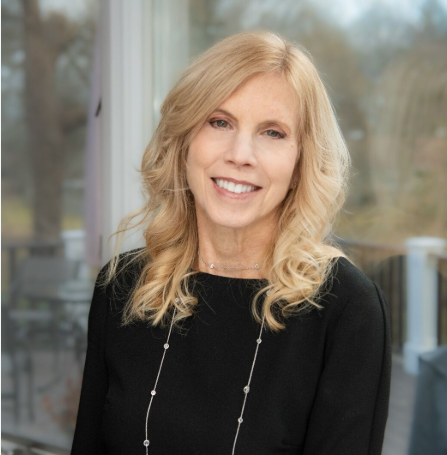
Lisa Schuman, LCSW
What does it really mean to choose known egg donation, and how can that decision shape your family's future? For many intended parents, choosing an egg donor begins with questions about medical history, genetics, and finding the right match. But donor conception is about much more than the fertility treatment itself. It's also about the relationships, conversations, and connections that may unfold throughout a donor-conceived person's life.
In our most recent episode of Her Helping Habit On Air, our Egg and Embryo Donor Coordinator, Jess, welcomed Lisa Schuman, LCSW, a licensed therapist, published author, researcher, and host of the Building Your Family podcast.
Together, they explored the benefits of known egg donation, the importance of early disclosure, ethical considerations in donor conception, and how families can navigate donor relationships long after treatment is complete.
What Is Known Egg Donation, and Why Does It Matter?
Known egg donation is an arrangement in which intended parents and their donor have access to one another's identities, with the opportunity to establish communication or a relationship based on mutually agreed-upon boundaries. Unlike anonymous donation, known donation allows families to maintain access to their donor as questions and circumstances evolve over time.
During the conversation, Lisa emphasized that the traditional concept of anonymous donation is becoming increasingly difficult to maintain. With direct-to-consumer DNA testing, genetic databases, and online communities, donor-conceived people may discover genetic connections regardless of whether their original donation arrangement was intended to be anonymous.
This raises an important question for intended parents: Rather than focusing solely on whether a donor's identity can remain private, should we also consider what access to that identity could mean for our future children?
Lisa explained that the benefits of known donation generally fall into two important areas: emotional connection and access to medical information.
For some donor-conceived people, knowing more about their genetic origins can contribute to their understanding of identity. Others may have little interest in developing a relationship with their donor but still appreciate having access to accurate, updated medical information.
There is no single relationship model that works for every family. The value of known donation lies in preserving opportunities and allowing donor-conceived individuals to make their own decisions as they grow.
Why Early Disclosure Is Important for Donor-Conceived Children
One of the most meaningful topics discussed during the episode was early disclosure: telling children about their donor conception story from a young age.
Historically, many families were encouraged to keep adoption or donor conception private. Lisa discussed how some adults who discovered their origins later in life experienced feelings of betrayal, confusion, or difficulty trusting their parents. For these individuals, learning about their genetic origins wasn't necessarily the most distressing part. Rather, discovering that important information had been withheld could affect how they understood their identity and family relationships.
Today, many fertility professionals and counsellors encourage parents to introduce donor conception as a normal part of their child's story from the beginning. Lisa's advice was simple: start early, talk often, and practice. Parents don't need to wait until their children are old enough to understand genetics or reproduction. Instead, conversations can begin during infancy and gradually evolve as children grow.
Some helpful approaches include:
Start before your child can understand. Talking to your baby about their conception story helps you become comfortable with the language.
Use age-appropriate explanations. Introduce more details as your child's understanding develops.
Make it an ongoing conversation. Donor conception shouldn't feel like a secret revealed during one significant conversation.
Allow space for questions and emotions. Children may feel curious, indifferent, excited, or confused at different stages.
Seek support when needed. A fertility counsellor experienced in donor conception can help parents navigate difficult feelings or conversations.
Lisa also acknowledged that these conversations may bring up complicated emotions for intended parents. For individuals who have experienced infertility, pregnancy loss, or an unexpected change in their family-building plans, discussing donor conception may initially feel uncomfortable. Practicing these conversations can help parents process their own emotions and eventually speak about their child's origins with greater confidence.
The goal isn't to have one perfect conversation. It's to create a family environment where questions about donor conception are always welcome.
Access to Updated Medical Information
Medical information is another significant consideration when choosing between known and anonymous egg donation. A donor's health history at age 23 may look very different from her medical history at age 43. Over time, she or members of her biological family may develop conditions that weren't known at the time of donation.
For donor-conceived people, access to updated medical information can become important when making healthcare decisions later in life. Lisa discussed how known donation can make it easier to establish communication pathways for future medical updates. Depending on the arrangement, families might communicate through their agency, use a dedicated email address, or establish another mutually agreed-upon method of contact.
Importantly, access to medical information does not require a close personal relationship. Some families and donors prefer occasional updates, while others develop more regular communication. What matters is establishing realistic expectations and a system that respects everyone's boundaries.
What Does a Lifelong Relationship With an Egg Donor Look Like?
One of the most common misconceptions about known egg donation is that choosing a known donor automatically means maintaining a close relationship. In reality, known donor relationships can look very different from one family to another.
Some intended parents and donors maintain occasional communication, sharing family updates or important milestones.
Others exchange medical information when necessary but otherwise have limited contact.
Some families eventually develop meaningful relationships with their donors or their children's genetic half-siblings.
Lisa explained that these relationships can change naturally over time. An egg donor who donates in her twenties may later pursue education, travel, develop a career, marry, or have children of her own. Her availability and comfort with communication may evolve, just as the interests and needs of donor-conceived children can change as they grow. There is no requirement for every known donor relationship to follow the same path. However, discussing expectations before donation can help prevent misunderstandings and establish a foundation of mutual respect.
Understanding Donor Siblings and Genetic Connections
Egg donation can also create genetic connections between children raised in different families. These children are often referred to as donor siblings or genetic half-siblings. For some donor-conceived people, connecting with genetic siblings provides an opportunity to learn more about their identity, shared traits, or family medical history. Others simply appreciate knowing that these connections exist, even if they don't wish to pursue a relationship.
Lisa discussed research exploring why donor-conceived individuals and their families seek out genetic relatives. Some families hope to establish ongoing relationships that resemble extended family connections. Others are primarily interested in medical information or providing their children with opportunities to meet people who share similar experiences. These relationships may be particularly meaningful for children who don't otherwise know other donor-conceived people.
While known donation cannot guarantee a particular number of genetic siblings or future relationships, it can create opportunities for greater transparency and informed decisions.
Egg Donation Is a Lifelong Consideration for Donors, Too
Although egg retrieval itself takes place over a relatively short period, the implications of donation can extend across decades. Lisa highlighted an important consideration for prospective donors: children may be born from embryos created many years earlier. That means someone who donates eggs today could receive questions or requests for contact long into the future. Donors may eventually need to discuss their donation history with partners, their own children, or other family members. This is one reason counselling and thoughtful preparation are so important before beginning a donation journey.
Being a known egg donor doesn't mean agreeing to unlimited contact. It means understanding the long-term nature of donation and making informed commitments about future identity access and communication.
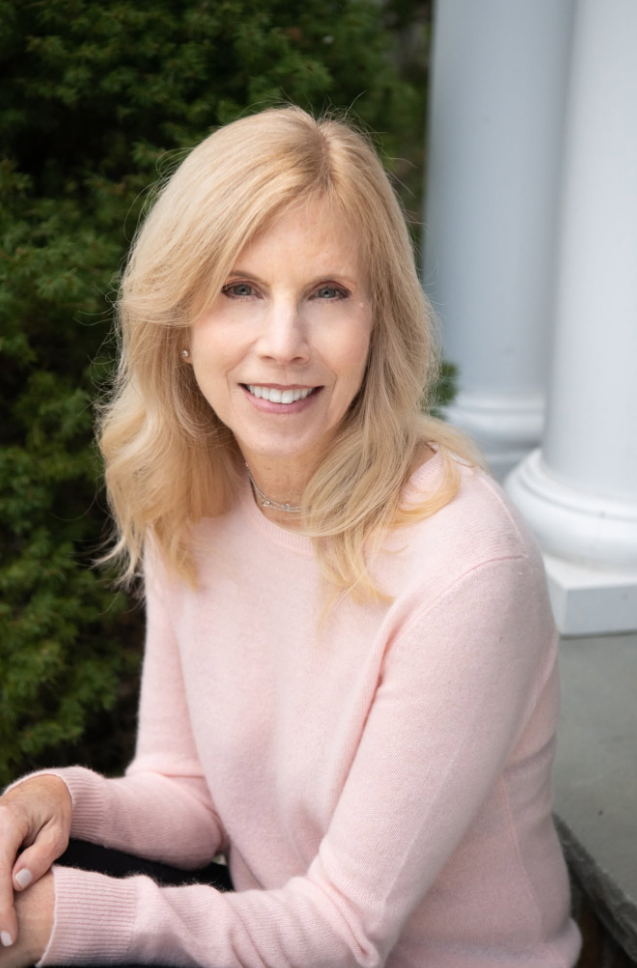
Lisa Schuman, LCSW
Choosing a Known Egg Donor With the Future in Mind
Choosing an egg donor is a deeply personal decision.
For intended parents, it may involve balancing medical considerations, emotional readiness, financial planning, and hopes for their future family.
For donors, it involves understanding both the immediate medical process and the potential lifelong significance of their contribution.
And for donor-conceived people, it can shape the information and relationships available to them as they develop their own understanding of identity.
At Her Helping Habit, we encourage families to think beyond the fertility treatment itself. Questions about disclosure, medical history, genetic siblings, and future communication deserve attention before a donation agreement is finalized. These conversations may not always be easy, but they help create a more thoughtful and transparent foundation for everyone involved.
Learn More About Known Egg Donation With Her Helping Habit
If you're considering known egg donation, preparing to become an egg donor, or exploring third-party reproduction, education and support can make a meaningful difference.
At Her Helping Habit, we specialize in known egg donation, embryo donation, and surrogacy, supporting intended parents, donors, and surrogates throughout their journeys.
Whether you're just beginning to explore your options or are ready to take the next step, our team is here to help you make informed decisions with confidence.
Interested in learning more about known egg donation?
Visit Her Helping Habit to book a free consultation with one of our coordinators, or contact us at info@herhelpinghabit.com.
bios
Lisa Schuman, LCSW, is a published author, licensed therapist, and award-winning researcher. Lisa is the host of the podcast, Building Your Family, author of the book, Building Your Family: The Complete Guide to Donor Conception, and creator of the Building Your Family community platform, the only expert-created education and support community designed to provide the latest tools and evidence-based guidance to help you become more informed at any point of your journey, from preconception through parenthood
Jess Gardiner is an Egg & Embryo Donation Coordinator who is passionate about education and advocacy in the world of infertility. She shares this passion in an effort to beat the stigma surrounding infertility and make resources available to everyone, no matter where they are in their journey. Book a free consultation and learn how Jess can help guide you through the fertility frontier!