The Patient Journey: A Step-by-Step Guide Through Fertilidad Integral
By: Jess Gardiner
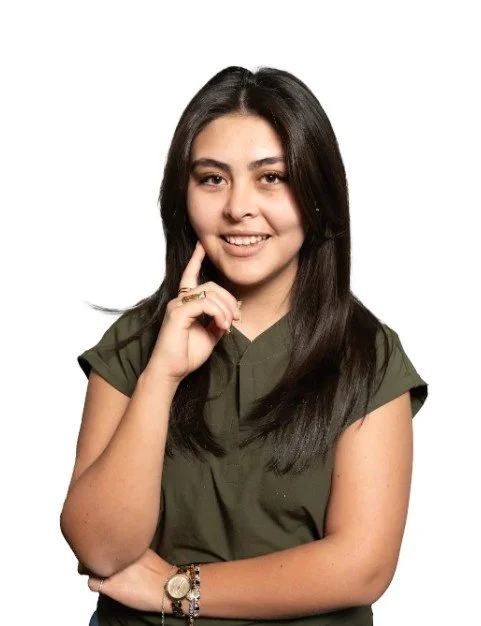
Sharon Reyes
Stepping into the process of assisted reproduction with donor eggs can be a daunting journey, especially for anyone new to this fertility frontier of testing and appointments.
Our host of Her Helping Habit on Air, Jess, recently sat down with Sharon Reyes from Fertilidad Integral and Sarah Riley, Program Manager of the Known Egg Donor Program at Her Helping Habit, to talk about what patients can expect when pursuing fertility treatment in Mexico.
Why Are International Patients Choosing Mexico for Fertility Treatment?
One of the things Sharon enjoys most about working with international patients is the cultural exchange. Patients aren't simply arriving for a medical procedure, they're spending time in Mexico City, experiencing the food, neighbourhoods, culture and warmth of the people while working toward something incredibly meaningful. Appointments become just one part of the day. You might start the morning at the clinic and spend the afternoon sightseeing, enjoying a great meal or booking a wellness treatment. Rather than having the entire trip revolve around a medical procedure, many patients find ways to make their time in Mexico an experience in itself.
For Sarah, international fertility care is also about coordinating all of the pieces that need to come together behind the scenes. Having personally travelled for her own egg donation cycles, she understands what it feels like to navigate fertility treatment away from home—and how valuable good coordination can be.
Yes, Known Egg Donation Is an Option in Mexico
One of the biggest things Sarah wishes more intended parents knew before exploring fertility treatment in Mexico is that known egg donation can be an option. At Her Helping Habit, intended parents have the opportunity to learn about potential donors and meet their selected donor by video before moving forward. The goal is to make sure everyone feels comfortable and aligned while creating the foundation for openness in the future.
Egg donation creates a lifelong story for the child who may eventually be born from that donation. For intended parents, that means considering questions such as: What might our future child want to know about their genetic origins? What type of relationship might naturally develop with their donor? What information could become important to them as they grow up? There isn't one relationship model that works for every donor-conceived family. Relationships can evolve organically over time. What matters is beginning the process with openness, education and the future child's perspective in mind.

What Fertility Treatments Are Available?
Fertilidad Integral works with international patients pursuing both fertility preservation and family building. This includes options such as freezing sperm, eggs, or embryos for future use, or implanting embryos during a frozen embryo transfer cycle.
For families pursuing treatment with an egg donor through Her Helping Habit, our role extends beyond simply helping them find a donor. Our team helps coordinate the journey from matching through medical screening, counselling, legal agreements, travel and the treatment cycle, while supporting both the intended parents and donor along the way.
What Happens After You First Contact the Clinic?
For intended parents, the process typically begins with a consultation with a fertility specialist at Fertilidad Integral. Initial testing may be completed before travelling so the physician can review the results, better understand your fertility history and determine whether any additional testing or lifestyle changes should be considered before treatment.
The process looks slightly different for an egg donor.
A donor will typically begin with a consultation reviewing her medical and reproductive history and discussing any potential concerns. From there, she proceeds through the required medical screening before being approved for a treatment cycle. Once medical clearance is received, the team can begin coordinating the actual donation cycle.
How Much Can Be Completed Before Travelling to Mexico?
Quite a bit! For intended parents, much of the initial testing can potentially be completed at home.
When sperm will be used to create embryos, the sperm-providing parent may travel to Fertilidad Integral for approximately three days to provide a sample for freezing. Having frozen sperm available at the clinic can provide additional flexibility when coordinating the donor's eventual treatment cycle.
For egg donors, much of the preliminary screening can also often be completed closer to home. Exactly what can be arranged locally depends on where the donor lives and whether nearby fertility clinics and laboratories can perform the testing requested by their physician. The donor’s coordinator with Her Helping Habit organizes these moving pieces so donors aren't left trying to figure everything out themselves.
How Long Do You Need to Stay in Mexico?
You are welcome to stay and explore Mexico for as long as you want! However, there are some minimum durations to keep in mind when planning your trip. For an embryo transfer, intended parents or a surrogate will generally need to plan for at least five days in Mexico.
Her Helping Habit generally plans for donors to spend approximately 17–18 days in Mexico, remaining there through their stimulation cycle, egg retrieval and for at least 48 hours afterward.
Because bodies don't operate according to travel itineraries, these timelines are always estimates.
What Does an Egg Donation Cycle in Mexico Look Like?
The donor’s coordinator will generally arrange for the donor to arrive in Mexico shortly before we anticipate her stimulation cycle beginning. Her first clinic appointment typically includes bloodwork and an ultrasound. If everything looks appropriate, she begins her fertility medications.
And then—some free time!
During the first few days of stimulation, donors can often explore Mexico City between appointments while continuing their medications according to the clinic's instructions. After approximately four or five days, monitoring becomes more frequent. The fertility team uses ultrasounds and bloodwork to monitor how the follicles are developing and adjusts treatment when necessary.
Once the follicles are ready, the donor receives her trigger medication. Egg retrieval generally takes place approximately 36 hours after the trigger.
What Happens After Egg Retrieval?
Support doesn't end when retrieval is finished. The donor remains in Mexico for at least 48 hours following retrieval, and the clinic completes follow-up to make sure she is recovering appropriately and isn't showing signs of complications. Her Helping Habit's coordinator also stays connected with her during this time.
Meanwhile, another exciting process is happening in the laboratory. The retrieved eggs are fertilized to create embryos. Those embryos are cultured for approximately five to six days while embryologists monitor their development. Embryos that reach the appropriate blastocyst stage can then be frozen. If the intended parents have chosen PGT-A, the embryology team can biopsy eligible embryos before they are frozen. The biopsy is sent for testing while the embryos themselves remain cryopreserved. Frozen embryos are stored in cryogenic tanks containing liquid nitrogen until the intended parents are ready for the next stage of treatment.
And while everyone waits for those highly anticipated embryo updates, our team is also wrapping up the donor's journey—reviewing expenses and ensuring eligible cycle-related reimbursements are completed.
frequently asked questions
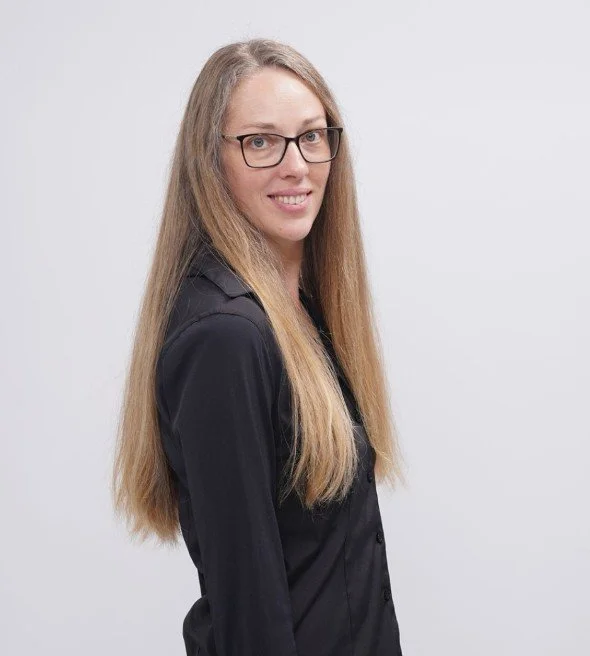
Sarah Riley
Is Mexico City Safe for International Fertility Patients?
This is one of the questions we hear most often. International patients understandably want to know whether they will feel comfortable travelling to Mexico City, particularly when they may be staying for several weeks.
Sarah has travelled to Mexico City and has felt comfortable exploring the areas surrounding Fertilidad Integral, including walking independently at night. One of her favourite ways to give nervous patients some perspective is to mention the Ferrari dealership located nearby—the clinic isn't tucked away in the type of environment some people may picture when they first hear "medical treatment in Mexico."
We also encourage prospective patients to see the environment for themselves. Our clinic walkthrough video gives families a better sense of Fertilidad Integral and the warm, professional setting they'll experience when they arrive.
Do You Need to Speak Spanish?
Speaking some Spanish can certainly be helpful, but you don't need to be fluent to pursue treatment in Mexico City. International patient coordination is a major part of Sharon's role, and support is available to help patients navigate their appointments and treatment.
In many of the areas international patients frequent, it's also possible to get by with English and translation tools when needed. Learning a few Spanish phrases before arriving can still make exploring the city easier—and can make the cultural experience even more enjoyable.
Advice for Intended Parents Considering Egg Donation
Sharon's advice is simple but important: do your research and prepare for the unexpected. Fertility treatment can be a long journey, and even with excellent medical care and careful planning, not everything is predictable. There may be exciting milestones, frustrating delays and unexpected changes along the way.
Sarah encourages intended parents to think about something else as well: the world through the eyes of their future child. Choosing an egg donor can understandably begin with characteristics that feel important to the intended parents. But known donation invites families to think beyond the profile. Who is this person? What might a relationship with her look like? What information might your child appreciate having someday? Could the relationship between your family and your donor grow naturally over time?
You don't need to have every answer before you begin. In fact, your fertility journey—and your relationship with your donor—may look very different five, ten or twenty years from now than you imagine today. The important thing is creating space for those possibilities.
Fertility Treatment Abroad Can Be More Than a Medical Trip
Travelling to Mexico for fertility treatment can feel intimidating when you're researching it from another country, but with the right medical and coordination teams in place, the experience can become much more personal than simply flying somewhere for a procedure.
You can meet the people caring for you, experience Mexico City, enjoy incredible food and culture, and—if you're pursuing known egg donation—build a connection with the person helping you create your family.
Because creating embryos is one part of the journey.
Creating a story your future child can understand and feel connected to is another.
bios
Sharon Reyes - International Patient Concierge
Sharon is dedicated to supporting international patients at Fertilidad Integral, serving as their point of contact and helping them navigate their fertility journey in Mexico with personalized guidance, coordination, and care.
Visit Fertilidad Integral Online!
Sarah Riley - Her Helping Habit’s Known Egg & Embryo Donor Program Manager
Sarah is one of the coordinators that supports intended parents and donors through each step of the process, from matching until the donation is complete.
Jess Gardiner is an Egg & Embryo Donation Coordinator who is passionate about education and advocacy in the world of infertility. She shares this passion in an effort to beat the stigma surrounding infertility and make resources available to everyone, no matter where they are in their journey. Book a free consultation and learn how Jess can help guide you through the fertility frontier!